Leg Care for Athletes: Managing Heavy Legs, Varicose Veins, and Post-Training Recovery
Written by Dr. Claire Dubois · Medically reviewed by Dr. Amelia Hartmann

Athletes are often surprised to discover that an active lifestyle does not provide immunity from varicose veins or chronically tired legs. In fact, certain sports patterns — prolonged standing, repetitive high-impact loading, and inadequate recovery time — can place the leg veins under sustained strain. This guide covers why active people develop vein-related leg fatigue, how to build a recovery routine that genuinely helps, and where targeted topical care fits into a serious training schedule.
Why Athletes Experience Heavy, Tired Legs
Physical training puts the leg veins through significant demand. During exercise, blood flow to the working muscles can increase by 15–20 times compared to rest. The vascular system adapts to handle this — but in some athletes, especially those who combine high training volume with insufficient recovery, the venous return mechanism comes under chronic strain.
Several factors contribute to this:
- High cumulative load. Distance runners, cyclists, and team-sport players spend hours each week in sustained leg activity. Cumulative venous load — the total pressure the veins carry across all sessions — is higher in trained athletes than in sedentary individuals.
- Muscle micro-trauma and inflammation. Hard training sessions cause muscle fiber breakdown and local inflammation. This can temporarily impair the calf-muscle pump's efficiency and cause the characteristic post-training heaviness that feels different from normal fatigue.
- Dehydration. Even mild dehydration during exercise increases blood viscosity, making venous return harder. Athletes who do not replace fluids adequately during and after training are at greater risk of legs feeling congested and heavy.
- Heat accumulation. Core and muscle temperatures rise during exercise. Elevated body heat causes peripheral vasodilation — surface veins expand to help dissipate heat. After training, if cool-down is inadequate, this dilation can persist, giving legs a swollen, engorged appearance.
The good news: athletes have better baseline circulatory conditioning than non-athletes, and the habits that support training recovery overlap significantly with those that support vein health.
Post-Training Leg Recovery: Strategies for Athletes
| Strategy | Best Timing | Key Benefit | Time Required |
|---|---|---|---|
| Active cool-down (walk/easy cycle) | Immediately after training | Clears lactate; maintains calf pump | 5–10 min |
| Legs-up-the-wall elevation | Within 15 min of finishing | Drains pooled blood and fluid | 10–15 min |
| Rehydration with electrolytes | Within 15 min of finishing | Restores plasma volume | Ongoing |
| Cool or contrast shower | Post-session shower | Tones vasculature; reduces heat congestion | 5 min |
| Topical cooling cream + massage | After showering | Soothes skin; boosts surface microcirculation | 3–5 min |
| Compression socks (post-exercise) | After showering or overnight | Supports venous return; reduces soreness | 2–8 hours |
| Light active recovery (swim, yoga) | Next day (rest day) | Prevents stagnation; maintains calf pump | 20–40 min |

Which Sports Put Most Strain on Leg Veins?
Not all athletic disciplines place equal load on the venous system. Understanding where your sport sits helps you prioritize recovery appropriately.
Running and distance sports engage the calf-muscle pump intensely and repeatedly, which is protective in the short term. However, very high weekly mileage — especially in athletes with a genetic predisposition to venous insufficiency — can eventually stress the vein walls. Long races with prolonged racing position and minimal movement variation add to the load.
Standing and court sports (tennis, basketball, volleyball) involve intermittent intense bursts combined with periods of relative stillness. The stillness phases allow venous pooling to accumulate between efforts, which can contribute to end-of-match heaviness and swelling.
Cycling is generally considered favorable for leg veins — the calf pump is active throughout, and body weight is off the legs. However, the bent-hip position on a road bike can reduce venous return from the upper legs, and some long-distance cyclists report pelvic-region vein changes over years of high volume.
Weightlifting and CrossFit-style training involving heavy squats and deadlifts with breath-holding (the Valsalva maneuver) can create brief but very high spikes in intra-abdominal pressure. In athletes with pre-existing venous fragility, repeated exposure to these pressure spikes is worth monitoring.
Martial arts and combat sports involve prolonged standing, repeated impact to the lower body, and frequent periods of static grappling — a combination that requires deliberate post-session recovery.
Sport Type vs. Venous Load and Priority Recovery Focus
| Sport Type | Venous Load Level | Primary Risk Factor | Priority Recovery Tool |
|---|---|---|---|
| Distance running | Moderate–High | Cumulative impact + dehydration | Elevation + rehydration |
| Standing/court sports | Moderate | Static pooling between bursts | Compression + topical cream |
| Cycling (road) | Low–Moderate | Hip-flexion posture (pelvic veins) | Elevation + stretching |
| Heavy weightlifting | Moderate (pressure spikes) | Intra-abdominal pressure (Valsalva) | Breathing technique + elevation |
| Martial arts / combat sports | Moderate | Impact + prolonged standing | Topical cream + compression |
| Team field sports | Moderate | Mixed load + sprint-stop patterns | Active cool-down + elevation |

The Post-Training Recovery Routine
The 30–60 minutes immediately after training are the most important window for leg recovery. A structured post-session routine helps clear metabolic by-products, reduce inflammation, and support venous return before legs stiffen up.
A practical post-training recovery sequence:
- Cool down actively. Spend 5–10 minutes walking or cycling lightly at very low intensity. This keeps the calf pump working while gradually reducing heart rate, helping to clear pooled blood and lactate from the lower limbs.
- Elevate immediately after stopping. Lie on your back and raise your legs against a wall (the "legs up the wall" or viparita karani position) for 10–15 minutes. This is one of the most effective and underused recovery habits in sport.
- Rehydrate promptly. Begin replacing fluids within the first 15 minutes after training. A drink containing electrolytes helps restore plasma volume and keeps blood viscosity favorable for venous return.
- Cool shower. A cool or contrast shower (alternating warm and cool) helps flush surface vasodilation and tone the vein walls. Finish always with a cool rinse directed at the legs.
- Apply a cooling topical cream. After the shower, while the skin is still slightly cool, apply a botanical leg cream with upward massage from ankle to knee. This is the moment when the skin is most receptive to active ingredients and when the massage adds the most to venous return.

Cooling Topical Care After Workouts
The role of a topical leg cream in an athletic recovery routine is complementary — it does not replace cold therapy, elevation, or compression, but it adds a valuable layer of skin care and sensory relief that makes the overall routine more effective and more sustainable.
For athletes, the most relevant ingredients in a topical leg product are:
- Menthol — the immediate cooling effect helps counteract the residual heat in exercised legs and provides a satisfying sensory signal that the recovery process has begun.
- Caffeine — helps address the puffiness that accumulates in the lower legs after prolonged running or standing, supporting the appearance of leaner, less congested legs post-workout.
- Horse chestnut extract — supports vascular tone and the feeling of leg comfort, which is especially relevant for athletes who notice cumulative heaviness building across a training week.
- Panthenol and chamomile — protect and soothe the skin, which in athletes can become dry and stressed by repeated showering, sun exposure, and contact with synthetic fabrics.
- Red pepper extract — the gentle warming action, paradoxically combined with menthol's cooling, helps stimulate surface microcirculation and supports local blood flow in the recovery phase.
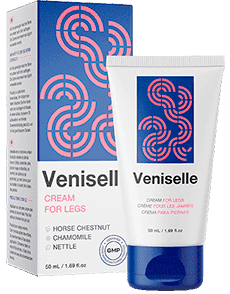
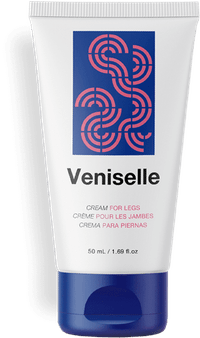
Veniselle leg cream contains all of these botanicals in a daily-use formula. Applied immediately after cooling down, it fits naturally into the end of any post-workout routine. See also our guide on tired heavy legs relief for the underlying physiology behind these ingredients.
Compression and Active Recovery
Compression garments are one of the most evidence-supported tools in athletic leg recovery. Graduated compression socks and sleeves apply tighter pressure at the ankle, tapering off toward the knee, which mechanically assists venous return and reduces muscle oscillation during running.
Research on compression in sport suggests its strongest benefits are:
- Reduced perceived muscle soreness in the 24–48 hours following intense exercise.
- Faster clearance of metabolic waste products from exercised muscle tissue.
- Maintained performance on back-to-back training days, particularly in endurance athletes.
Sports compression socks (15–25 mmHg) are widely available without a prescription and can be worn during training, immediately after, or overnight. Some athletes wear them on travel days between competition or training — a smart habit given that prolonged sitting in vehicles or aircraft significantly impairs leg circulation.
Active recovery methods — light swimming, easy cycling, or yoga — complement compression by keeping the calf pump gently active on rest days, preventing the stagnation that allows post-exercise soreness and heaviness to deepen.
Varicose Veins in Athletes: A Balanced View
The discovery of varicose veins in an otherwise fit, healthy athlete can feel alarming — but context matters. Varicose veins in athletes are not rare, and they do not necessarily indicate poor health or impending vascular disease. They reflect a combination of genetic predisposition, accumulated training load, and the normal aging process of vein walls.
What athletes should watch for:
- Asymmetric swelling in one leg — especially if accompanied by warmth and redness — warrants prompt medical attention to rule out deep vein thrombosis.
- Significant change in exercise tolerance — if legs that previously felt fine after training now ache for days, or if performance drops alongside leg symptoms, a vascular assessment is worthwhile.
- Skin changes over varicose veins — persistent discoloration, thickening, or surface irritation that doesn't respond to moisturization is worth showing to a healthcare professional.
For the majority of athletes, however, varicose veins are a cosmetic and comfort concern managed well through the combination of training-load management, consistent recovery routines, compression, and daily topical care. A systematic approach — rather than alarm or neglect — is the most productive response.
The table below compares recovery strategies for athletes, and the FAQ section addresses the most common questions we receive from people who train regularly and want to take better care of their legs.
Give Your Legs the Care They Deserve
Veniselle is a topical leg cream formulated with botanical extracts — horse chestnut, chamomile, menthol, and more — to soothe tired, heavy legs and support the look of skin over varicose and spider veins. Try it as part of your daily leg-care routine.
Order Veniselle →Editorial team


Frequently asked questions
Is it safe to run with varicose veins?
For most people, yes. Running activates the calf-muscle pump and supports venous return. The key is to manage training load, recover properly after sessions, and monitor any changes in symptoms. If a specific vein area becomes painful, swollen, or hot during or after running, have it assessed by a healthcare professional before continuing at the same intensity.
Can heavy training cause varicose veins?
Training volume alone is unlikely to cause varicose veins in people without a genetic predisposition. However, very high cumulative venous load — combined with inadequate recovery, dehydration, and heat exposure — can accelerate the onset in people who were already predisposed. Athletes with a family history of varicose veins are wise to invest in prevention from early in their training career.
When should I apply a leg cream — before or after training?
After training is the more beneficial time. The skin is cleaner after your post-workout shower, the legs are warm and receptive, and the massage reinforces the cool-down effect. Applying before training can mean the product is sweated off quickly and may not absorb properly in hot skin. Some athletes also apply a light layer in the morning as part of their daily routine.
Do compression socks help during training or only after?
Both, with different mechanisms. During training, graduated compression socks reduce muscle oscillation and help maintain venous return under load. After training, they support the drainage of metabolic waste and fluid from the lower legs. Research is stronger for post-exercise use, but many endurance athletes and runners find wearing them during long sessions beneficial as well.
My legs feel fine during exercise but very heavy for hours afterward — is that normal?
Post-exercise heaviness is common and usually reflects a combination of muscle micro-trauma, fluid shifts, and the gradual clearing of metabolic by-products from hard effort. It typically resolves within a few hours with elevation, rehydration, and light movement. If the heaviness persists for more than 24–48 hours or is accompanied by unusual swelling in one leg only, consider consulting a healthcare professional.
Can I use a leg cream if I have tattoos on my legs?
Fully healed tattoos (at least 4–6 weeks old with no peeling or flaking) are generally fine to apply topical creams over. Avoid applying any product to a tattoo that is still healing, as the skin barrier is compromised. If you have any doubts, check with your tattoo artist or a dermatologist.
Are there sports I should avoid if I have varicose veins?
Most sports are compatible with varicose veins. The ones most worth approaching with care are those involving prolonged Valsalva maneuvers — heavy maximal lifts with breath-held effort — as these create high, brief pressure spikes in the abdominal and leg veins. Technique modifications (exhaling during the exertion phase) largely address this. There is no evidence that any cardio-based sport is harmful for varicose veins when appropriate recovery is in place.