How to Support Your Legs Naturally When You Have Varicose Veins
Written by Dr. Claire Dubois · Medically reviewed by Dr. Amelia Hartmann

While no lifestyle habit can structurally reverse varicose veins, a consistent daily routine can make a meaningful difference in how your legs feel and look. Movement, elevation, nutrition, and targeted skin care work together to support circulation and ease the everyday discomfort that often accompanies enlarged leg veins. Here is a practical, evidence-informed guide to building those habits.
Movement: The Most Accessible Tool You Have
The calf muscles act as a secondary pump for the venous system, squeezing blood upward with every step. When you sit or stand still for hours, that pump stalls, and blood pools in the lower legs — exactly the condition that worsens the aching and heaviness associated with varicose veins.
Even modest movement helps. Walking for 20–30 minutes daily is consistently cited by vascular health researchers as one of the most effective non-medical strategies for supporting leg circulation. If your job keeps you desk-bound, set a reminder to stand and walk for two to three minutes every hour. Simple calf raises — rising up on your toes and lowering back down — can be done while waiting in line or standing at a counter and deliver a meaningful boost to venous return.
Swimming and cycling are also excellent choices because they engage the calf pump without placing high impact on the joints. Avoid exercises that require prolonged straining or heavy lifts with held breath (the Valsalva maneuver), as these can briefly increase venous pressure in the legs.
Natural Leg-Care Methods Compared
| Method | Primary Benefit | Best Time to Do It | Effort Level |
|---|---|---|---|
| Daily walking (20–30 min) | Activates calf-muscle pump; improves venous return | Morning or lunchtime | Low |
| Calf raises (2–3 min) | Quick circulation boost without leaving your spot | Throughout the workday | Very low |
| Leg elevation (15–30 min) | Drains pooled blood and fluid from lower legs | Afternoon or evening | Very low |
| Compression socks | Graduated pressure supports vein shape | During standing/travel | Low |
| Hydration (1.5–2 L water) | Reduces blood viscosity; limits swelling | Throughout the day | Very low |
| High-fiber, low-salt diet | Reduces abdominal pressure; controls fluid retention | Every meal | Medium |
| Topical botanical cream | Soothes skin, eases heaviness, supports surface look | Morning and evening | Very low |

Leg Elevation: Using Gravity in Your Favor
Gravity is the main challenge for leg veins — blood has to travel upward against it continuously. Elevation reverses that equation. Raising the legs above heart level for 15–30 minutes, two or three times a day, allows blood and fluid to drain passively away from the lower limbs.
Practically, this means lying on a sofa with your calves propped on cushions, or sleeping with the foot of your bed slightly raised. Many people notice that the aching and swelling that builds up through the day is noticeably better after even a single elevation session in the evening.
Elevating your legs before or after applying a topical leg cream can also help the product absorb more efficiently, as the skin is less under circulatory pressure at that moment.
Diet, Hydration, and Compression
What you eat and drink has a real — if indirect — effect on vein health. Staying well hydrated keeps blood viscosity lower, which supports smoother flow. Aim for at least 1.5–2 liters of water daily, and limit alcohol, which can cause veins to dilate temporarily and worsen the heavy feeling.
From a dietary standpoint, foods rich in bioflavonoids — the pigment compounds in dark berries, citrus, and leafy greens — are widely discussed in the context of vascular support. Troxerutin, a bioflavonoid derivative also found in some topical formulas, is included in vein-care products for its established role in supporting vascular wall integrity.
A diet high in fiber also helps prevent chronic constipation, which can increase abdominal pressure and place extra load on leg veins. Reducing dietary salt helps control fluid retention, which directly influences ankle swelling.
Compression socks or stockings are one of the most widely recommended non-surgical supports for varicose veins. They apply graduated pressure — tighter at the ankle, looser toward the knee — that helps veins maintain shape and pushes blood upward. Medical-grade compression should be selected with a healthcare provider, but lighter, over-the-counter options can still offer comfort during long standing or travel days.
Topical Botanical Care: Soothing the Skin and the Sensation
A daily topical routine rounds out the natural approach to leg care. Botanical extracts used in quality leg creams target the skin surface and the sensation of heaviness simultaneously. Horse chestnut extract, for example, has been studied for its potential to support vascular tone and reduce the feeling of leg fatigue. Menthol delivers an immediate cooling sensation that many people find relieves the burning and throbbing feeling. Caffeine helps address puffiness and supports microcirculation in the superficial tissue.
Apply the cream after a shower when pores are open, massaging gently from the ankle upward toward the knee. This direction — following venous return — makes the massage itself a small circulatory boost. For a full comparison of natural methods, see the table below, and for detailed ingredient guidance, read our guide on how to choose a varicose vein cream.
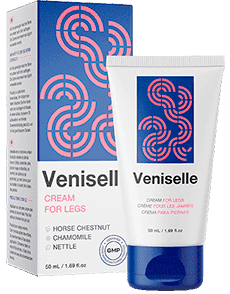
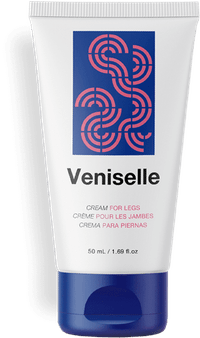
Veniselle leg cream combines horse chestnut, chamomile, menthol, troxerutin, caffeine, and panthenol in a single formula designed to fit into a morning-and-evening leg-care routine. It's a cosmetic product, not a medical treatment — but as part of the broader habits described here, consistent topical care is a sensible addition.
Give Your Legs the Care They Deserve
Veniselle is a topical leg cream formulated with botanical extracts — horse chestnut, chamomile, menthol, and more — to soothe tired, heavy legs and support the look of skin over varicose and spider veins. Try it as part of your daily leg-care routine.
Order Veniselle →Editorial team


Frequently asked questions
Can walking make varicose veins worse?
No — walking is one of the best things you can do for legs with varicose veins. It activates the calf-muscle pump, which helps push blood back toward the heart. High-impact running or heavy weightlifting with prolonged breath-holding can temporarily increase vein pressure, but moderate walking is consistently beneficial.
How long does leg elevation need to be to make a difference?
Even 15–20 minutes with your legs raised above heart level can reduce the aching and swelling that builds through the day. Consistency matters more than duration — two short sessions daily tend to be more effective than one occasional long one.
Do compression socks really help?
Yes, for many people. Graduated compression stockings are one of the most evidence-supported non-surgical tools for managing the discomfort of varicose veins. Medical-grade compression (15–40 mmHg) should be prescribed or recommended by a healthcare professional, but lighter over-the-counter options (8–15 mmHg) can also ease fatigue on long standing days.
Are there foods I should avoid if I have varicose veins?
Excess salt promotes fluid retention and can worsen ankle swelling. Alcohol causes temporary vein dilation and may increase the heavy feeling. Highly processed foods are often high in both. A diet rich in fiber, colorful vegetables, and adequate water is broadly supportive of vascular health.
How does a topical cream fit into a natural routine?
A topical leg cream applied morning and evening adds consistent skin care and a soothing sensation to your routine. The massage action of applying cream from ankle to knee also provides a small circulatory benefit. It's a complement to movement, elevation, and diet — not a replacement for them.
Related guides

Varicose Veins: What Causes Them and What to Watch For
Read more →
Tired, Heavy Legs: Why They Happen and How to Find Relief
Read more →
How to Choose a Varicose Vein Cream: A Plain-Language Guide
Read more →