Tired, Heavy Legs: Why They Happen and How to Find Relief
Written by Dr. Claire Dubois · Medically reviewed by Dr. Jonathan Reeves

That dragging, leaden feeling in your legs by the end of the day is one of the most common complaints associated with poor venous circulation — and one of the most frustrating. Your legs carry you through every hour of the day, yet the sensation of heaviness, aching, and fatigue can make even sitting on the sofa feel like a relief. Understanding what causes the feeling is the first step toward building a routine that genuinely helps.
Why Do Legs Feel Heavy and Tired?
The sensation of heavy legs is closely linked to sluggish venous return — the process by which used blood travels from the legs back up to the heart. Unlike arteries, which are powered by the heart's pump, veins rely on muscle contractions, breathing movements, and one-way valves to move blood upward against gravity.
When any part of that system is under strain — from prolonged standing, sitting without movement, heat, hormonal changes, or weakened vein valves — blood can pool in the lower limbs. This pooling increases pressure in the veins and the surrounding tissue, producing the characteristic aching, heaviness, swelling, and sometimes a burning or throbbing sensation.
Heavy legs are not always a sign of varicose veins, but the two frequently go together. Other contributing factors include hot weather (which dilates blood vessels), dehydration, and excess body weight. Even a long flight or car journey is enough to trigger the feeling in otherwise healthy legs.
Heavy Leg Relief Methods: Effort vs. Benefit
| Method | Time Required | When It Helps Most | Ease of Use |
|---|---|---|---|
| Calf raises or short walk | 2–5 min | During work hours | Very easy |
| Leg elevation | 15–30 min | Evening | Very easy |
| Cool shower finish | 1–2 min | After showering | Very easy |
| Compression socks | All day | Long standing or travel days | Easy |
| Increased water intake | Ongoing | Throughout the day | Easy |
| Cooling topical cream (massage) | 3–5 min | Morning and evening | Very easy |
| Footwear adjustment | Ongoing | During the workday | Easy |

Circulation and Venous Return: The Basics
Understanding venous return makes it easier to know which habits actually work. Blood flows down to the legs easily — gravity helps. The challenge is getting it back up. Three mechanisms do most of the work:
- The calf-muscle pump. Every time your calf contracts — when you walk, climb stairs, or rise on your toes — it squeezes the deep veins and pushes blood upward. This is why walking is so consistently recommended for leg-health: it directly engages the body's most powerful circulatory assist.
- Breathing. Each inhalation creates a pressure change in the chest that draws blood from the lower body toward the heart. Deep, regular breathing is a quiet ally for leg circulation.
- Vein valves. The one-way valves inside leg veins prevent blood from sliding back down between muscle contractions. When valves weaken over time, blood pools — and that's when heaviness and varicose veins become more pronounced.
This is why any sustained posture — standing still or sitting for hours — works against you. Movement is what keeps the pump active. See our guide on natural ways to support leg wellness for a full breakdown of movement strategies.
Daily Habits That Genuinely Relieve Heavy Legs
Relief doesn't require dramatic lifestyle changes — it requires consistent small ones. The most effective daily habits for tired heavy legs include:
- Move every hour. If your day is mostly desk-based, a two-minute walk or a set of calf raises every hour does more for leg circulation than a single gym session at the end of the day.
- Elevate in the evening. Lie with your legs raised above heart level for 20–30 minutes. Many people find this single habit transforms how their legs feel before bed.
- End your shower with cool water. A brief cool rinse over the legs helps tone blood vessels and reduces the sensation of heat-related heaviness. It's a small step with a noticeable payoff.
- Stay hydrated. Mild dehydration thickens blood slightly and makes circulation less efficient. Two liters of water daily is a reasonable baseline.
- Choose footwear wisely. Very high heels restrict normal ankle movement and suppress the calf-muscle pump. Shoes with a modest heel of 2–3 cm allow a more natural gait and better circulatory assistance.
- Avoid prolonged heat exposure. Hot baths, saunas, and direct sun on the legs dilate surface veins and can worsen the heavy sensation. If you love baths, finish with a cool rinse.
Cooling Topical Care: Soothing the Sensation
One of the most immediate reliefs for tired, heavy legs is a cooling topical cream applied with gentle massage. The combination of touch, temperature, and botanically active ingredients works on multiple levels at once.
Menthol is the ingredient most directly responsible for the cooling effect — it activates cold-sensitive receptors in the skin, creating a rapid sensation of freshness that counteracts the burning or throbbing feeling in tired legs. Caffeine supports microcirculation and helps address the puffiness that often accompanies fluid build-up at the end of the day. Chamomile and panthenol soothe and soften the skin, which can become dry and sensitive over areas of sluggish circulation.
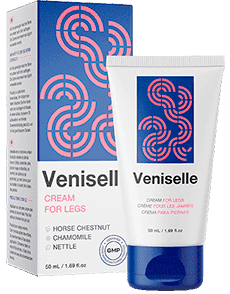
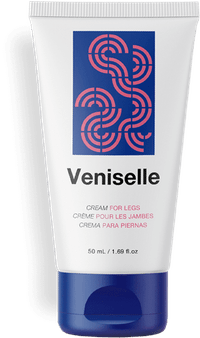
Apply the cream from ankle to knee — always in the upward direction that follows venous flow — and use light circular strokes rather than deep pressure. This technique is gentle enough to use twice daily and safe over areas of visible spider or varicose veins. Veniselle leg cream combines all of these botanicals in a single daily-use formula.
For athletes who regularly experience heavy legs after training, our dedicated guide on leg care for athletes covers post-workout recovery in depth.
Give Your Legs the Care They Deserve
Veniselle is a topical leg cream formulated with botanical extracts — horse chestnut, chamomile, menthol, and more — to soothe tired, heavy legs and support the look of skin over varicose and spider veins. Try it as part of your daily leg-care routine.
Order Veniselle →Editorial team


Frequently asked questions
Are heavy legs always caused by varicose veins?
Not always. Heavy legs can result from prolonged standing or sitting, dehydration, heat, hormonal fluctuations, or certain medications. However, varicose veins and underlying venous insufficiency are among the most common causes, especially when the heaviness is accompanied by visible vein changes or ankle swelling.
Why do my legs feel heaviest at the end of the day?
Blood and fluid gradually pool in the lower limbs throughout the day — especially if you've been on your feet or seated for hours without much movement. By evening, that accumulated pressure manifests as the heaviness, swelling, and aching most people recognize.
Does cold water on the legs actually help?
Yes. Cold water causes vasoconstriction — blood vessels narrow briefly, which helps tone them and reduces the sensation of heat-related engorgement. Finishing a shower with 30–60 seconds of cool water over the legs is a low-effort habit with a genuinely noticeable effect.
Can I use a leg cream every day?
Yes, daily use is how most topical leg creams are intended to be used. Morning and evening application — with a brief upward massage from ankle to knee — makes the habit consistent and allows you to notice gradual changes in skin condition and comfort over days and weeks.
Should I see a doctor about heavy legs?
If heaviness is accompanied by sudden swelling in one leg only, warmth, redness, or hard lumps under the skin, see a healthcare professional promptly — these can be signs of a clot. For the more typical bilateral heaviness that comes and goes with activity and rest, lifestyle habits and topical care are a sensible first response, with a GP consultation if the symptoms persist or worsen.
Related guides

Varicose Veins: What Causes Them and What to Watch For
Read more →
How to Support Your Legs Naturally When You Have Varicose Veins
Read more →
How to Choose a Varicose Vein Cream: A Plain-Language Guide
Read more →